

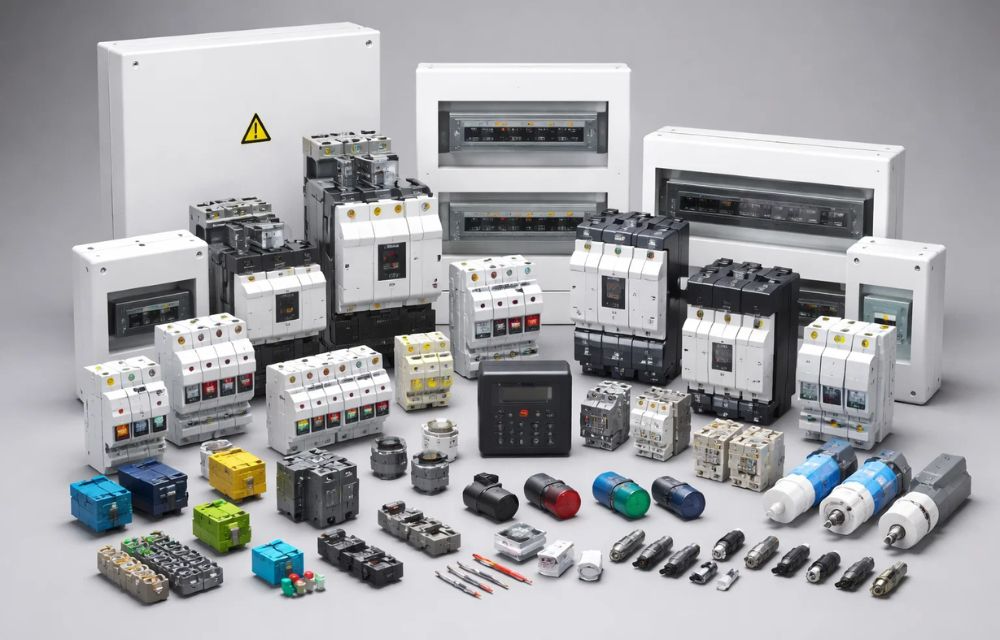
Embracing low-voltage electrical solutions is a wise and far-sighted decision for electricity consumption and lower energy bills. Being a low voltage electrical products supplier, you don’t just provide equipment but enable efficient, safe usage of power, making work easier. In today’s world, getting the correct setup may make all the difference in how much energy a home or business consumes. Amongst several providers, Home Electric India stands out as a trusted electrical products manufacturer & supplier in India, bringing a wide array of efficient low-voltage products that would be apt for commercial and residential spaces.
What are Low-Voltage Electrical Products?
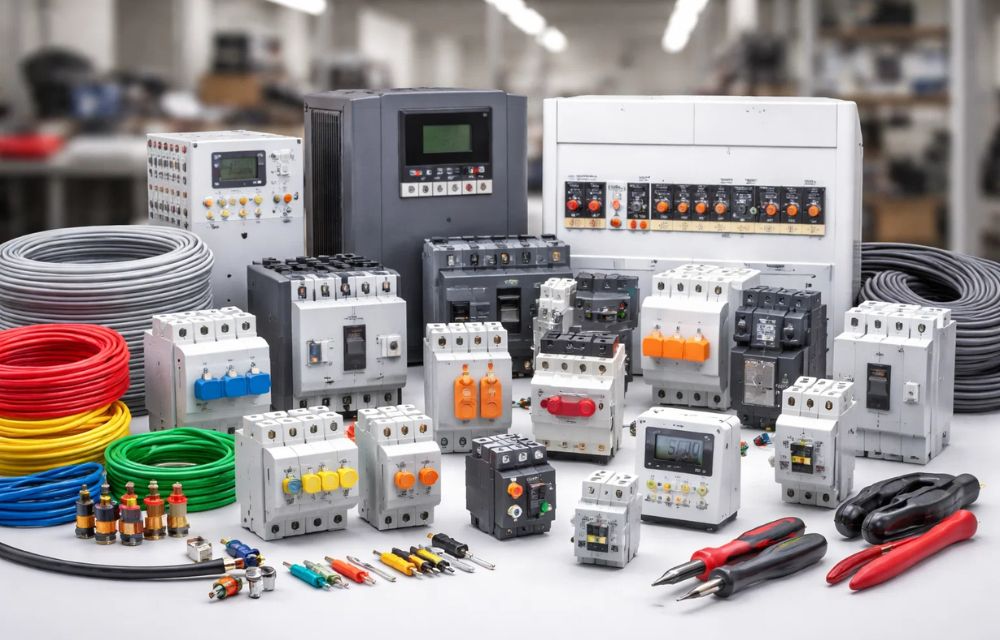
Low‐voltage electrical systems operate at significantly lower voltages compared to the usual mains supply, for example: 12 V, 24 V, or 48 V in lighting and control circuits, and up to 600 V in distribution panels according to different standards.
Products labeled “low‑voltage electrical products” can include: LED lighting (such as strip lights, landscape lights, or under‑cabinet lights); security systems; intelligent sensors and switches; low‑voltage wiring; transformers/ power supplies; and distribution panels designed to handle the lower voltage loads.
Running on lower voltages, they intrinsically consume less power and generate less heat, resulting in reduced wastage of energy, which makes them suitable for modern energy-efficient homes and offices.
How Low‑Voltage Products Drive Energy Savings
1. Higher Energy Efficiency & Lower Consumption
Low-voltage lighting solutions are far more efficient at converting electricity into light, especially in the case of LED-based solutions, than traditional incandescent or fluorescent bulbs. They use much less energy to produce the same, or even better, illumination.
For example, a switch to efficient lighting can result in significant cuts in electricity bills. According to guides to energy saving, lighting can account for large portions of household energy consumption alone; thus, replacement of inefficient bulbs with alternatives such as LED or low-voltage bulbs may yield visible savings.
In addition, low-voltage lighting and equipment produce less heat, which reduces superfluous energy losses as heat, thus improving the overall efficiency of the system.
2. Less Energy Loss in Distribution & Better Utilization of Power
In even larger buildings such as commercial offices, apartment buildings, or an industrial complex, the low-voltage distribution system may provide further optimization in delivering power. These systems mitigate losses happening between the transformer and load side equipment, thereby ensuring that power consumed is put to better use and not wasted as heat or inefficiency.
We are able to minimize overall energy footprint and improve reliability in the design, protective function, and smart distribution panel, as well as wired connection, etc., if you employ compatible wiring.
3. Improved Safety and Lower Maintenance Costs
Low‑voltage setups work on lower voltages, making them safer from the dangers of electric shock and more appropriate for wet areas or places with high human interaction, such as gardens, corridors, bathrooms, and kitchens.
Due to the fact that low-voltage systems are less complicated and produce minimal amounts of heat, their maintenance demands are generally lower, they have longer life spans, which is the case, especially for LED lighting, and fewer failures, which translates to savings over a long period.
4. Flexibility, Scalability, and Smart Integration
Low-voltage technologies lend themselves well to the integration with smart controls: motion sensors, timers, dimmers, and automation systems. These integrations help to manage energy usage intelligently: the lights, or systems, turn on only when needed; they dim when full brightness is not required or switch off automatically during idle periods.
This type of demand-based usage cuts down on wasted power and ensures energy is utilized only when it is needed, a significant plus for household and commercial energy savings.
In addition, the low-voltage wiring infrastructure is usually more flexible and easier to expand. If you plan to add more lights, automation, or devices later, you can easily do so without major overhauls; this means lower installation costs and better adaptability.
Benefits Beyond Energy: Safety, Environment, and Comfort
Because low-voltage LED lighting generates less heat, it in turn contributes less to ambient heat in a room or space, which can cut the need for cooling systems – particularly in hot climates – and therefore save additional energy.
Lower energy use means lower demands on generating stations, which in turn reduces greenhouse gas emissions: a sustainable lifestyle is supported. Because many of the low‑voltage fixtures, like LEDs, last much longer than other light bulbs, there is less frequent replacement of them and less electronic waste.
From a safety point of view, low-voltage products have a reduced risk of shocks, fires, and overheating, therefore making them especially suitable for households with children or pets and outdoor/wet-area installations.
Why Choosing a Reliable Supplier Matters
Not all low-voltage products are the same when it comes to quality. In fact, to achieve the full benefits of energy saving, safety, and longevity, it’s essential that products are sourced from a trusted manufacturer and supplier. A good supplier ensures value and reliability.
Home Electric India is one of the trusted manufacturers and suppliers of electrical products in India. Their portfolio consists of a wide range of low‑voltage electrical products that are safe, energy-efficient, and manufactured to strict standards to suit residential, commercial, and industrial installations.
The energy savings can be maximized with quality products, proper distribution systems, and efficient low‑voltage wiring and lighting solutions while keeping in mind safety and reliability.
Conclusion
Low-voltage electrical products are one way of intelligently, efficiently, and sustainably managing the consumption of power, whether in a small home or a large commercial/industrial setup. They reduce electricity bills by way of higher efficiency and lower wastage, ensure improved safety, cut down maintenance/replacement costs, and offer flexibility and scalability for any future expansion. The benefits of choosing a reliable low-voltage electrical products supplier are indeed many: You invest not just in efficient equipment, but also in assured performance, safety, and energy savings in the long run. Shifting to low‑voltage systems is therefore quite pragmatic and foresighted towards energy efficiency and sustainability- a step that is in the interest of your wallet, your space, and the environment.
Author Bio

Home Electric India is a trusted OEM manufacturer and supplier of high‑quality low voltage electrical products, including MCBs, RCCBs, distribution boards, and more for homes and businesses. With a commitment to quality and innovation, they deliver reliable electrical solutions that meet international standards.
