

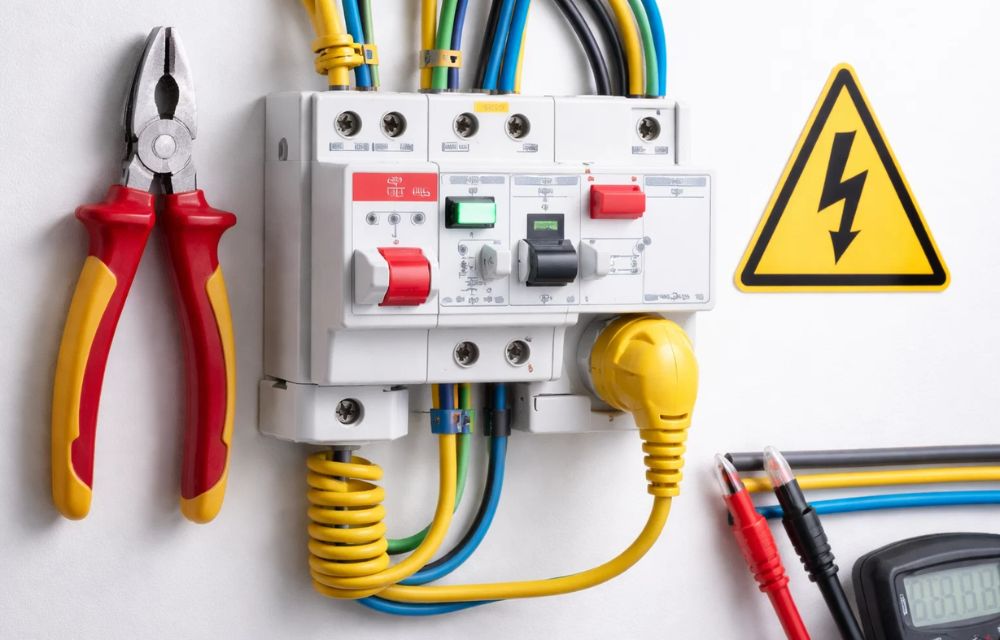
Safety is not a throwaway in the modern world of electrical systems, which evolves very fast. As the complexity of the installations in residential homes, commercial buildings, and the industrial setting grows, the functions of the protective components have become indisputable. It is here that the Electrical Safety Device Manufacturer comes by to play a significant role in providing products that save lives, property, and equipment. Engineered solutions have been developed and supplied by reliable manufacturers to provide safety and reliability in all electrical installations to avoid risks like a shock, fire, short circuit, and system failures.
What are the Electrical Safety Devices?
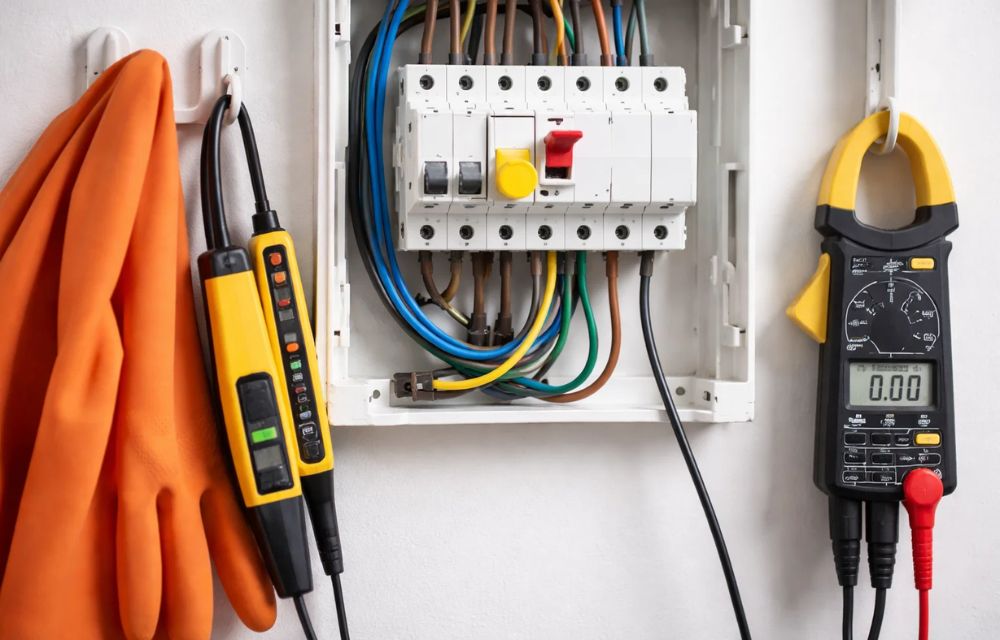
Electrical safety devices consist of engineered elements that are fitted into electrical systems to monitor, control, and close electrical circuits in case of abnormal conditions. Such devices are applicable to detect the faults, i.e., overloads, leakage, short circuiting, etc., and react immediately regardless of their potential to cause harm or danger. Examples are miniature circuit breakers (MCBs), residual current circuit breakers (RCCBs), isolators, distribution boards, surge protectors, and earthing systems. Both of them have a certain role in lowering the risk level and keeping the work of electrical systems within the safety limits.
Why Safety Devices Matter in Modern Installations
1. Protection Against Electrical Hazards
Among the major factors that make electrical safety devices important is the need to safeguard against electricity-related dangers that would result in the occurrence of electrocution or fire. Poor wiring, overload, and leakage currents may be very dangerous when not managed. An example is the RCCB, which is constructed to detect leakage currents and de-energize power in a matter of milliseconds to avoid major electric shock – that feature has transformed the electrical safety practice in recent installations.
MCBs, on the other hand, contain any damage that could come about due to excessive currents by tripping out the circuit when overloads take place. These prompt action systems are critical towards averting devastating effects that would otherwise have led to harm or property damage.
2. Compliance with Safety Standards
Modern electrical systems are required to comply with national and international safety standards not only due to legal considerations, but also to provide installations that are safe to occupants. Responsible electrical safety device manufacturers strictly test their products to either match or exceed the standards set by regulatory agencies. Once the equipment is standardized, such as MCBs and RCCBs that meet standards such as IS/IEC or BIS standards, installers and end-users can be assured that it is quality equipment that is safe and efficient. This mandatory assists in decreasing the liability and promotes system integrity in general.
3. Ensuring System Reliability and Longevity
Safety equipment is in place not only to protect people, but it also protects electrical systems and other equipment attached to it. Devices like the distribution boards and isolators can be used to avoid breaking cables, appliances, and machinery by interrupting the supply when fault conditions occur. This translates to less downtime, less maintenance expenses, and increased life of equipment. In manufacturing industries where failure can cost a company a lot of money, the installation of solid safety mechanisms is a cost and operational necessity.
4. Catering to Diverse Installation Environments
The contemporary installations are diverse in nature: residential areas and office buildings, manufacturing facilities, and data centers. The environments have special safety and loading needs. Electrical safety devices are made to be flexible, thus accommodating various voltages, current capacities, and the needs of the application. In the context of small domestic circuit or an extensive industrial power distribution system, as well as, proper safety devices will make sure that the system is safe in all conditions that can be predicted.
5. Supporting Future-Ready Electrical Infrastructures
Along with the emergence of new technologies, including electric vehicles (EVs), renewable energy systems, automation, and smart grids, electrical infrastructure is becoming more complicated. Such complexity puts more emphasis on the use of enhanced safety measures and equipment capable of accommodating dynamic load profiles and identifying subtle faults before it gets out of control. The contemporary safety equipment is being tailored with intelligent features, digital monitoring capability, and greater accuracy – in accordance with the demands of future-proof electrical installations.
Home Electric India: A Trusted Partner in Electrical Safety
Home Electric India is a reliable manufacturer and supplier of electrical products in India, as far as quality and reliability are concerned, in the electrical safety components. Having a number of years of experience in designing, producing, and supplying low-tension electrical equipment, Home Electric India has offered a wide variety of devices which include MCBs, RCCBs, distribution boards, modular switches, and wiring accessories, all designed to be safe, perform, and be in line with industry requirements.
Their brands are designed to address the challenging needs of the residential, commercial, and industrial installation with an accent not only on the protection but also on the convenience of installation, durability, and long-term reliability. The next thing is the selection of products by a reputable manufacturer and supplier, such as Home Electric India. Whether you are constructing a new electrical infrastructure or developing an existing one, you will be sure that your installations will be safe and sound.
Choosing the Right Safety Devices for Your Installation
When choosing the correct devices to ensure your safety, it is important to pay close attention to both your system load and environment, as well as the regulatory requirements. Here are a few tips:
- Understand the Load Requirements: Determine the right current ratings and capacities to fit your installation.
- Check for Compliance and Certification: Check that the devices are in compliance with appropriate safety standards and certification.
- Consider Environmental Conditions: There are systems that might need extra shelter against moisture, dust, or extreme temperatures.
- Consult With Professionals: In case of uncertainty, hire the services of qualified electricians or electrical engineers to determine the correct equipment to use in your system.
Conclusion
To conclude, electric safety appliances are nothing less than indispensable in a modern installation, and they form the initial line of protection against electrical faults, hazards, and malfunctions. Their functions are not limited to compliance; however, they save lives, preserve valuable equipment, and make sure that electrical systems can be useful and reliable over time. Collaborating with an Electrical Safety Devices Manufacturer who has a proven track record of producing and supplying quality electrical products in India, such as Home Electric India, will ensure that your installations are fitted with superior safety solutions that can withstand the challenging electrical conditions of the times.
Safety first and future-proofing your electrical systems is investing in peace of mind because you will know that your electrical systems are safe, powerful, and ready to be used in the future.
Author Bio

Home Electric India is a trusted manufacturer and supplier of low‑voltage electrical products, delivering high‑quality MCBs, RCCBs, distribution boards, and more for homes and businesses. With a focus on safety, innovation, and international standards, their solutions ensure reliable and efficient electrical performance.
